ICOM IC-A25N Handheld NAV/COM Transceiver w/ Bluetooth – Open Box: Professional Aviation Backup Radio
ICOM IC-A25N Handheld NAV/COM Transceiver w/ Bluetooth – Open Box: Professional Aviation Backup Radio
Blog Article
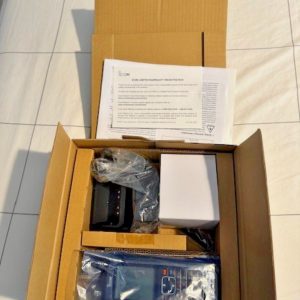
:::writingvariant="document" id="58314" ICOM IC-A25N Handheld NAV/COM Transceiver w/ Bluetooth – Open Box: Professional Aviation Backup Radio The ICOM IC-A25N Handheld NAV/COM Transceiver w/ Bluetooth – Open Box is designed for aviation users seeking a capable portable radio that can support communication and navigation-related operations. A carefully inspected open-box package can offer the operational benefits of a premium handheld aviation radio while helping owners control equipment costs. The ICOM IC-A25N Handheld NAV offers a flexible option for private pilots, commercial operators, instructors, aviation students, and support personnel. The ICOM IC-A25N Aviation Radio is relevant to pilots who need dependable access to aviation frequencies while operating in the cockpit or around an airport. The ICOM IC-A25N Handheld Radio can serve private owners, instructors, students, aircraft dealers, mechanics, and airport staff who need communication away from a fixed cockpit installation. A Handheld NAV/COM Aviation Transceiver can reduce the need to carry separate portable communication and navigation receivers for certain aviation tasks. Whether the intended use involves a Handheld Aviation Radio, Aviation NAV/COM Radio, Pilot Handheld Radio, or Aircraft Communication Radio, dependable battery and antenna performance remain important. As an Aviation Communication Device, the radio can provide portable support for cockpit, training, emergency, and ground environments.
Overview of the ICOM IC-A25N Aviation Radio
The ICOM IC-A25N is designed to provide aviation communication and navigation-related functionality in a portable enclosure suitable for cockpit, ramp, hangar, training, and emergency use. Its practical value comes from combining mobility, recognizable controls, aviation-focused operation, rechargeable power, and multiple communication or navigation functions. The radio may perform very effectively in some environments while experiencing reduced range inside certain aircraft or buildings. Pilots should test the radio during routine conditions and become familiar with its operation before expecting to use it during an urgent situation.Benefits of the ICOM IC-A25N Handheld NAV
The portable design allows pilots here to become familiar with radio functions outside the aircraft before using the device in a busy operational environment. Private pilots may carry the device during cross-country flights, aircraft repositioning, fly-ins, or travel in rented airplanes. Navigation features should support rather than replace required pilot preparation, approved navigation equipment, current charts, and appropriate operational judgment. Organized cockpit placement improves access while protecting the radio from impact, movement, moisture, and accidental activation.Choosing an ICOM IC-A25N Aviation Radio
An ICOM IC-A25N Aviation Radio can serve pilots who need portable communication for flight operations, aircraft delivery, training, airport coordination, or emergency preparedness. Flight instructors can use the device as supplemental equipment during ground lessons, aircraft walkarounds, and selected training exercises. The seller should identify any missing accessories, cosmetic marks, opened packaging, previous testing, warranty status, or differences from a factory-sealed package. The best purchase decision combines condition evidence, package completeness, seller credibility, secure payment, and documented delivery terms.ICOM IC-A25N Handheld Radio Portability
The handheld format allows the radio to move with the pilot between personal, rental, training, business, and club aircraft. A secure carrying arrangement can keep the radio accessible without allowing it to move around the cockpit during turbulence or abrupt maneuvering. Portability also allows the radio to be charged and configured away from the aircraft, helping pilots prepare frequencies and settings before entering the cockpit. Careful handling allows a portable aviation radio to remain a dependable part of the pilot’s equipment inventory.Handheld NAV/COM Aviation Transceiver Applications
A Handheld NAV/COM Aviation Transceiver combines portable communication and navigation-related capability within one device, making it useful for pilots who value multifunction equipment. An open-box package may represent strong value when it includes the equipment required for immediate setup and normal use. A brief function check can identify weak battery performance, loose accessories, damaged connectors, or configuration problems before departure. Any abnormal heat, charging issue, intermittent audio, damaged control, loose connector, or battery swelling should be investigated before further operation.Choosing a Handheld Aviation Radio
A handheld aviation device can support monitoring and communication activities from the cockpit, ramp, hangar, or operations office. Pilots should avoid assuming that an unused radio stored for years will operate correctly without battery care and periodic testing. A handheld radio should be evaluated in the aircraft and environment where it will normally be used. The device should not be used for casual or unnecessary transmissions that could interfere with operational communications.Aviation NAV/COM Radio Applications
An integrated aviation radio can provide a convenient secondary tool during flight planning, cockpit preparation, and selected in-flight operations. The user should understand how to move efficiently between communication and navigation functions without becoming distracted. A handheld device may provide valuable reference information but should not replace required installed equipment or approved procedures where those are necessary. Before departure, pilots should confirm that the radio is charged, correctly configured, securely stored, and easy to reach.Maintaining a Pilot Handheld Radio
A portable radio can remain with the pilot when changing aircraft, allowing consistent access to a familiar communication device. The device should remain accessible to the pilot without becoming a loose object or interfering with cockpit controls. Regular familiarity helps users recognize abnormal operation, weak batteries, damaged controls, or missing accessories early. Responsible power management is central to maintaining a dependable Pilot Handheld Radio.Maintaining an Aircraft Communication Radio
An aircraft communication device can support maintenance coordination, ground handling, training activities, and operational monitoring where appropriate. Professional communication practices improve the effectiveness of both installed and handheld radios. Users should establish realistic expectations by testing the radio in normal conditions rather than assuming identical range to panel equipment. Users should stop relying on the unit if it displays intermittent function or unexplained shutdowns until the concern is resolved.Using a Portable Aviation Transceiver
A Portable Aviation Transceiver offers communication mobility for pilots and aviation professionals who are not always positioned inside a powered aircraft. A protective case can separate the radio from tools, keys, metal objects, liquids, and heavy equipment inside a flight bag. Bluetooth operation should be tested in advance because pairing status, battery condition, compatibility, audio routing, and device settings can influence performance. Wireless convenience should not replace disciplined equipment checks and familiarity with standard radio controls.Choosing an Aviation Communication Device
The ideal device balances functionality with an interface the user understands and can operate confidently. The seller should explain the product’s status and disclose any evidence of use, missing materials, registration, or cosmetic handling. Aviation businesses should establish procedures for cleaning shared microphones, headsets, controls, and surfaces where appropriate. Regular updates to operating procedures may be required when accessories, paired devices, aircraft assignments, or personnel change.Handheld Aircraft Radio Benefits
Ground teams may use appropriate handheld equipment during coordinated activities where aviation communication is required and authorized. The radio provides practical value wherever access to aviation communication is useful away from a powered instrument panel. A handheld radio should not be placed on an unstable surface where turbulence or maneuvering could send it across the cockpit. Consistent care helps a Handheld Aircraft Radio transition reliably between cockpit, hangar, ramp, and storage use.Choosing an Aviation Navigation Radio
A combined navigation and communication unit can help pilots maintain familiarity with one device rather than carrying unrelated portable tools. A demonstration or careful manual review can help users understand displays, menus, stored information, and navigation-related controls. The device should become part of a layered navigation and communication strategy rather than the sole source of critical information. A radio that has not been used recently may require charging, configuration review, Bluetooth reconnection, and accessory inspection.ICOM Pilot Radio Applications
An ICOM Pilot Radio can appeal to aviation users who value an established communications manufacturer, aviation-focused controls, portable construction, and practical accessory support. An open-box unit may have excellent value, but the buyer should verify the package rather than relying solely on the model name. The device should support the pilot’s normal workflow rather than requiring accessories or procedures that are inconvenient or incompatible. Periodic practice ensures that the user remains confident with essential functions as time passes.Emergency Aviation Radio Benefits
A handheld radio may support a pilot’s response to an abnormal situation by providing portable communication capability independent of the main panel system. A written quick-reference guide may help, but it should remain simple enough to use without creating distraction. The pilot should know how to operate the radio directly if a paired headset or wireless accessory fails. Emergency equipment checks can be scheduled with annual inspections, proficiency reviews, seasonal preparation, or flight-bag audits.Using a Backup Aircraft Radio
The IC-A25N offers portable communication and navigation-oriented functions that can support a layered aviation equipment strategy. A backup device should not be neglected simply because it is not used during every flight. Each audio method should be tested in advance under realistic cockpit noise conditions. Aviate, navigate, and communicate priorities remain essential whenever communication equipment problems occur.Buying an Open-Box ICOM IC-A25N
Buyers should review the radio body for scratches, cracks, missing labels, damaged controls, loose components, or wear around frequently handled areas. The package should be compared with the seller’s inventory to confirm the radio, battery, antenna, charger, adapters, clip, documentation, packaging, and other included accessories. The Bluetooth system should be checked for pairing, audio routing, connection stability, and compatibility with supported equipment. The buyer should inspect the radio promptly after delivery and report any missing items, damage, or functional concerns according to the agreed terms.Maintaining a Portable NAV/COM Transceiver
A professional handheld transceiver should be managed as aviation equipment rather than treated like an ordinary consumer radio. Any change in audio, charging, battery life, control response, display quality, Bluetooth operation, or power stability should be investigated.- Check for cracks, loose parts, damaged buttons, display concerns, weak battery performance, antenna damage, charging problems, and missing accessories.
- Keep the operating guide or a simple quick-reference resource accessible until important functions are fully familiar.
- Store the radio, battery, charger, antenna, adapters, and documentation in a dry, organized, protected location after use.